
Embark on a journey towards sustainable living with Well B Wellness Models, where the harmony of well-being and environmental consciousness intertwine to create a healthier future. Let's delve into the intricate web of components that shape this innovative approach.
Exploring the essence of Well B Wellness Models unveils a realm where personal wellness aligns seamlessly with sustainable practices, fostering a holistic lifestyle for individuals and communities alike.
Well B Wellness Models for Sustainable Living
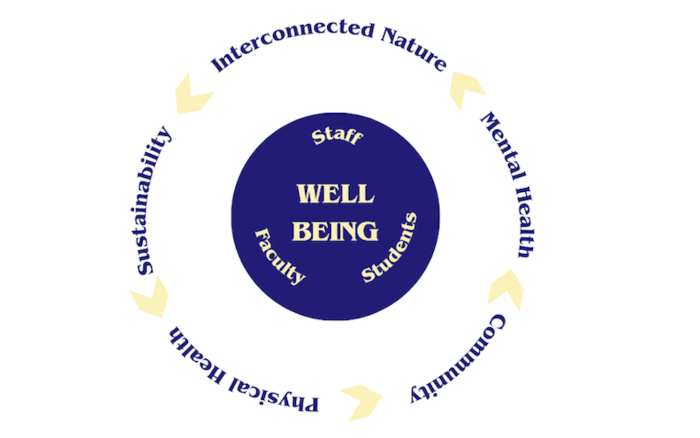
Well B Wellness Models focus on promoting sustainable living practices to enhance overall well-being.
The importance of sustainable living in wellness models lies in the holistic approach to health and wellness. By incorporating sustainable practices, individuals can improve not only their physical health but also their mental and emotional well-being.
Integration of Sustainable Living Practices
- Utilizing renewable energy sources such as solar or wind power to reduce carbon footprint.
- Incorporating organic and locally sourced foods in diet plans to support sustainable agriculture.
- Encouraging mindfulness practices like yoga and meditation to promote mental well-being and reduce stress.
- Designing eco-friendly living spaces with natural materials and efficient energy systems.
- Promoting active transportation such as walking or cycling to reduce reliance on fossil fuels.
Components of Well B Wellness Models
Well B Wellness Models consist of several key components that work together to promote sustainable living. These components include physical wellness, mental wellness, and environmental wellness, all interconnected to create a holistic approach to well-being.
Physical Wellness
Physical wellness focuses on maintaining a healthy body through regular exercise, proper nutrition, and adequate rest. It emphasizes the importance of physical activity in reducing the risk of chronic diseases and promoting overall well-being.
Mental Wellness
Mental wellness addresses the emotional and psychological aspects of health, emphasizing stress management, mindfulness, and self-care practices. It recognizes the impact of mental well-being on overall health and quality of life.
Environmental Wellness
Environmental wellness involves promoting a healthy relationship with the natural world, including sustainable practices that minimize harm to the environment. It encourages individuals to reduce their carbon footprint, conserve resources, and support eco-friendly initiatives.
Relationship between Physical, Mental, and Environmental Wellness
The relationship between physical, mental, and environmental wellness in Well B Wellness Models is symbiotic. A healthy body supports a healthy mind, and a healthy mind promotes environmentally conscious behavior. By fostering a balance between these three components, individuals can achieve overall well-being and contribute to a sustainable lifestyle.
Role of Community Engagement
Community engagement plays a crucial role in promoting sustainable living within wellness models. By fostering a sense of belonging and collective responsibility, communities can support and encourage sustainable practices among their members. Through collaboration, education, and advocacy, communities can create positive change and promote well-being for all.
Implementing Sustainable Practices
Implementing sustainable practices in wellness models is crucial for promoting environmental consciousness and overall well-being. By incorporating sustainable practices, individuals and communities can contribute to a healthier planet and a more sustainable future.
Examples of Sustainable Practices
There are several sustainable practices that can be integrated into wellness models, including:
- Utilizing renewable energy sources such as solar or wind power to reduce carbon footprint.
- Implementing water conservation strategies like rainwater harvesting and greywater recycling.
- Adopting organic and locally sourced ingredients for wellness products to support sustainable agriculture.
- Reducing waste by promoting recycling, composting, and using eco-friendly packaging materials.
Technology Supporting Sustainable Living
Technology plays a vital role in supporting sustainable living within wellness models by:
- Facilitating remote access to wellness programs and resources, reducing the need for travel and lowering emissions.
- Developing eco-friendly wellness devices and apps that promote energy efficiency and sustainability.
- Implementing smart home systems to monitor energy usage and optimize resources for a greener lifestyle.
Benefits of Adopting Sustainable Practices
Adopting sustainable practices benefits both individuals and communities by:
- Promoting a healthier environment and reducing pollution for improved air and water quality.
- Enhancing overall well-being by supporting a more natural and sustainable way of living.
- Creating a sense of community and solidarity through shared environmental values and goals.
Measuring Success and Impact
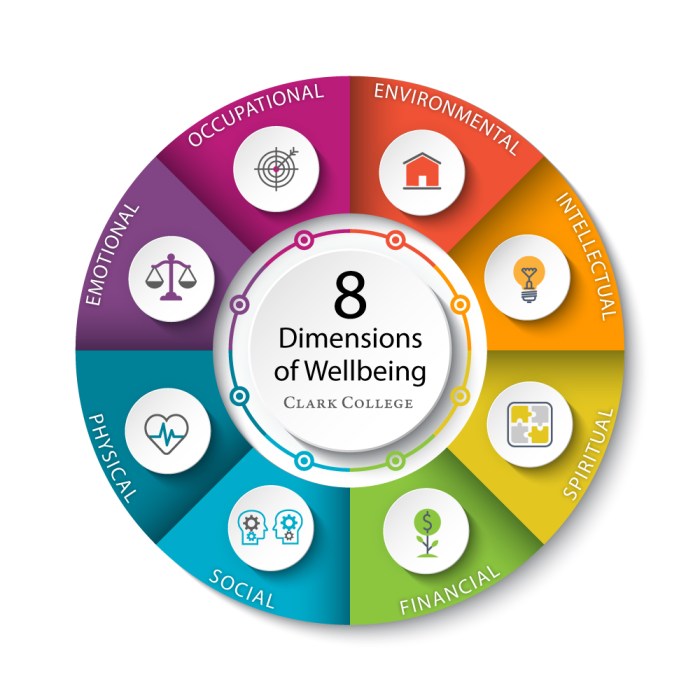
When it comes to evaluating the success of Well B Wellness Models for sustainable living, it is essential to establish clear metrics that can effectively measure the impact of these models.
The potential impact of these models on individuals, communities, and the environment is significant. By promoting sustainable practices such as reducing waste, conserving energy, and using eco-friendly products, these models can lead to healthier lifestyles, stronger communities, and a more sustainable environment.
Metrics for Success
- Reduction in carbon footprint: Tracking the decrease in greenhouse gas emissions can indicate the environmental impact of sustainable living practices.
- Energy efficiency improvements: Monitoring energy consumption and efficiency levels can demonstrate the effectiveness of sustainable energy practices.
- Community engagement: Measuring community involvement in sustainable initiatives can reflect the social impact of wellness models.
Impact on Individuals, Communities, and Environment
- Individual well-being: Implementing sustainable living practices can improve individual health and quality of life by reducing exposure to harmful chemicals and promoting a more active lifestyle.
- Community resilience: Sustainable wellness models can strengthen communities by fostering collaboration, supporting local businesses, and enhancing social connections.
- Environmental preservation: By adopting sustainable practices, wellness models contribute to the conservation of natural resources, protection of biodiversity, and mitigation of climate change impacts.
Case Studies of Successful Implementation
- Green building certifications: Projects like LEED-certified buildings showcase successful implementation of sustainable design principles, resulting in energy savings and improved indoor air quality.
- Zero-waste initiatives: Businesses and communities that have achieved zero-waste goals demonstrate the feasibility of reducing waste through recycling, composting, and resource recovery.
- Farm-to-table programs: Restaurants and food establishments that source locally grown produce promote sustainable agriculture, support local farmers, and offer healthier food options to consumers.
Final Thoughts
As we conclude our exploration of Well B Wellness Models for Sustainable Living, the tapestry of interconnected elements reveals a promising path towards a greener, healthier tomorrow. Embrace the transformative power of sustainable practices and holistic well-being for a brighter future ahead.
Essential Questionnaire
What are Well B Wellness Models?
Well B Wellness Models encompass a holistic approach that integrates sustainable living practices into wellness strategies, promoting overall well-being and environmental consciousness.
How can technology support sustainable living within wellness models?
Technology plays a crucial role in facilitating sustainable practices within wellness models by enabling efficient monitoring, data analysis, and communication to promote environmental stewardship.
What metrics are used to evaluate the success of Well B Wellness Models for sustainable living?
Key metrics include indicators of individual wellness improvements, community engagement levels, environmental impact reduction, and overall sustainability of practices implemented within the model.
What is the role of community engagement in promoting sustainable living within wellness models?
Community engagement fosters a sense of collective responsibility towards sustainable practices, encouraging active participation, knowledge-sharing, and support networks that enhance the impact of wellness models on both individuals and the environment.