
Delve into the realm of Weight Loss Medication Safety and Prescribing Guidelines, where the balance between health and efficacy is paramount. Join us on a journey of discovery as we uncover the crucial aspects of this important topic.
Exploring the key factors and guidelines surrounding weight loss medications is essential in understanding their impact on individuals' well-being.
Importance of Weight Loss Medication Safety
Ensuring safety in weight loss medication is crucial for the well-being of individuals seeking to manage their weight effectively. Unsafe weight loss medications can pose serious risks to the health of users and have a detrimental impact on public health.
Potential Risks of Unsafe Weight Loss Medications
- Adverse side effects: Unsafe weight loss medications can lead to severe side effects such as increased heart rate, high blood pressure, dizziness, and gastrointestinal issues.
- Drug interactions: Some unsafe weight loss medications may interact negatively with other medications, leading to potentially harmful outcomes.
- Dependency and addiction: Certain weight loss medications that are not safe can be addictive, leading to dependency and withdrawal symptoms.
- Lack of efficacy: Unsafe weight loss medications may not deliver the desired weight loss results and can even worsen the individual's health condition.
Impact of Unsafe Weight Loss Medication on Public Health
When unsafe weight loss medications are available in the market, it can result in widespread harm to public health. This can lead to an increase in hospitalizations, emergency room visits, and healthcare costs due to the adverse effects caused by these medications.
Moreover, the lack of regulation and oversight can contribute to the proliferation of unsafe weight loss products, endangering the health and well-being of consumers.
Prescribing Guidelines for Weight Loss Medications
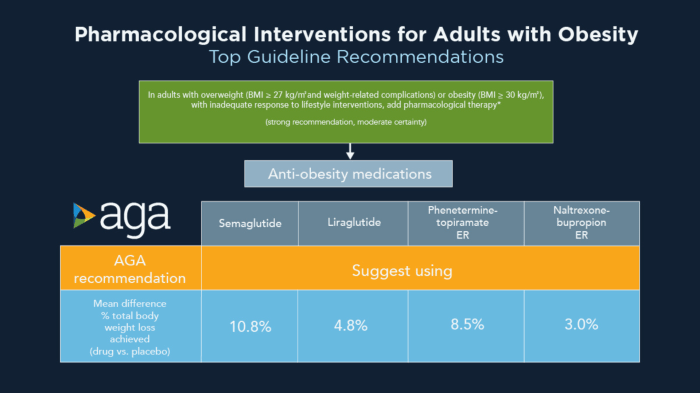
When prescribing weight loss medications, healthcare providers consider several key factors to ensure the safety and effectiveness of treatment. These factors help determine the suitability of weight loss medications for each individual patient and guide healthcare professionals in making informed decisions.
Role of Patient Assessment
Patient assessment plays a crucial role in determining the suitability of weight loss medications. Healthcare providers evaluate factors such as the patient's overall health, medical history, current medications, lifestyle, and weight loss goals. This assessment helps identify any underlying conditions that may affect the choice of weight loss medication and guides healthcare providers in selecting the most appropriate treatment for the individual patient.
Importance of Evidence-Based Prescribing Guidelines
Following evidence-based prescribing guidelines is essential in ensuring the safe and effective use of weight loss medications. Evidence-based guidelines are developed based on rigorous research and clinical data, providing healthcare providers with reliable information on the most effective and appropriate treatments for weight management.
By adhering to these guidelines, healthcare providers can minimize the risk of adverse effects, optimize treatment outcomes, and promote patient safety and well-being.
Safety Measures for Weight Loss Medications
When it comes to using weight loss medications, ensuring the safety of patients is paramount. Here are some common safety measures recommended for patients using weight loss medications:
Regular Monitoring
- Patients should be monitored regularly by healthcare providers to assess their progress and any potential side effects of the medication.
- Monitoring should include vital signs, weight changes, and blood tests to ensure the medication is not causing any harm.
Medical History Review
- Healthcare providers should thoroughly review the patient's medical history to identify any underlying conditions that may affect the safety and efficacy of the weight loss medication.
- Conditions such as heart disease, diabetes, or high blood pressure may require special consideration when prescribing weight loss medications.
Patient Education
- It is crucial to educate patients about the potential side effects of weight loss medications and what to do if they experience any adverse reactions.
- Patient education should also include information on proper dosage, timing of medication intake, and the importance of following up with healthcare providers regularly.
Risk Factors and Contraindications
Weight loss medications can be effective tools in managing obesity; however, they come with certain risks and contraindications that healthcare providers need to consider before prescribing them.
Common Risk Factors
- Cardiovascular disease: Individuals with a history of heart conditions may be at an increased risk when taking weight loss medications that can affect heart rate or blood pressure.
- Psychiatric disorders: Patients with a history of mental health issues, such as depression or eating disorders, may experience exacerbation of symptoms with certain weight loss medications.
- Drug interactions: Some weight loss medications can interact with other medications a person is taking, leading to adverse effects or reduced efficacy.
Contraindications
- Pregnancy: Weight loss medications are generally contraindicated during pregnancy due to potential risks to the fetus.
- Eating disorders: Individuals with active eating disorders, such as anorexia or bulimia, should not be prescribed weight loss medications as they can worsen these conditions.
- Uncontrolled hypertension: Patients with uncontrolled high blood pressure may not be suitable candidates for weight loss medications that can elevate blood pressure further.
Scenarios Where Weight Loss Medications may not be Safe
- An individual with a history of heart palpitations and arrhythmias should not be prescribed weight loss medications that can increase heart rate.
- A patient with a current psychiatric crisis or unstable mental health should avoid weight loss medications that can potentially worsen their condition.
- Someone with a history of substance abuse may not be a suitable candidate for weight loss medications that have abuse potential or can trigger addictive behaviors.
Epilogue
In conclusion, Weight Loss Medication Safety and Prescribing Guidelines play a pivotal role in shaping the landscape of healthcare. By adhering to these guidelines, we pave the way for a safer and healthier future.
Helpful Answers
What are some common risks associated with weight loss medications?
Common risks include heart palpitations, high blood pressure, and gastrointestinal issues. It's crucial to monitor these potential side effects closely.
How do healthcare providers determine the suitability of weight loss medications for a patient?
Healthcare providers assess factors like medical history, current health conditions, and potential drug interactions to determine the most suitable weight loss medication for a patient.
When are weight loss medications considered unsafe for certain individuals?
Weight loss medications may be unsafe for individuals with a history of heart problems, pregnant women, or those with certain medical conditions. It's essential to consult a healthcare provider before starting any weight loss regimen.