
Embarking on the journey of Physical Injury Recovery and Rehabilitation Programs, readers are invited into a realm where structured programs pave the way for healing and renewal. This overview promises a glimpse into the significance of tailored recovery plans and the diverse techniques utilized in the rehabilitation process.
Exploring the components, techniques, and challenges encountered in such programs, this narrative sets the stage for a comprehensive understanding of the intricacies involved in the recovery journey.
Introduction to Physical Injury Recovery and Rehabilitation Programs
Physical injury recovery and rehabilitation programs are structured plans designed to help individuals recover from injuries, regain function, and improve overall quality of life. These programs typically involve a combination of therapies, exercises, and interventions tailored to the specific needs of the individual.
Structured programs play a crucial role in the recovery process by providing a comprehensive and systematic approach to rehabilitation. They help optimize healing, prevent complications, and promote long-term recovery and functional improvement.
Importance of Structured Programs
- Facilitate proper healing and tissue repair
- Minimize the risk of re-injury
- Improve strength, flexibility, and range of motion
- Enhance functional abilities for daily activities
Goals and Objectives of Programs
- Reduce pain and inflammation
- Restore mobility and function
- Prevent secondary complications
- Improve overall quality of life
Common Types of Injuries
Physical injury recovery and rehabilitation programs are commonly required for injuries such as:
- Sprains and strains
- Fractures
- Dislocations
- Tendon and ligament injuries
Components of Physical Injury Recovery and Rehabilitation Programs
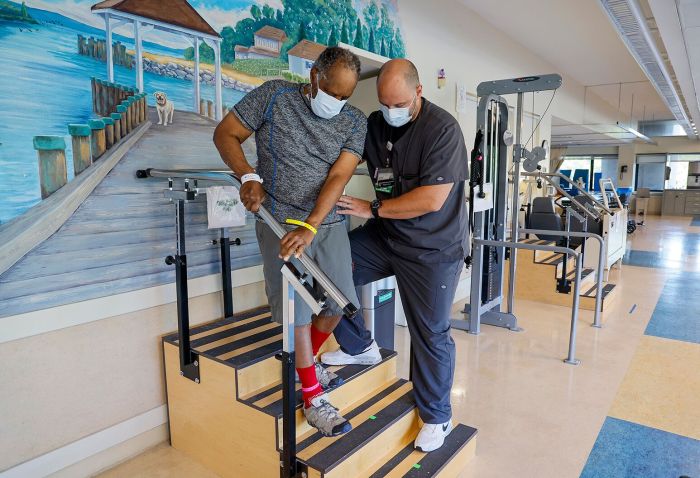
Recovery and rehabilitation programs for physical injuries typically consist of a combination of key components that work together to facilitate the healing process and restore function to the affected area.Physical Therapy:Physical therapy plays a crucial role in physical injury recovery by focusing on exercises and techniques to improve strength, flexibility, and range of motion in the injured area.
Therapists work closely with patients to design individualized exercise programs that target specific areas of weakness or limitation.Occupational Therapy:Occupational therapy is geared towards helping individuals regain the ability to perform daily tasks and activities that may have been impacted by the injury.
Therapists work with patients to develop strategies and adaptations to make tasks easier and more manageable, ultimately promoting independence and functionality.Customized Plans:It is essential for recovery and rehabilitation programs to be tailored to the specific type and severity of the injury.
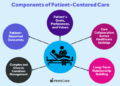
Customized plans take into account the unique needs and limitations of each individual, ensuring that the treatment approach is effective and safe for the patient.Multidisciplinary Approach:Many physical injury recovery and rehabilitation programs adopt a multidisciplinary approach, involving a team of healthcare professionals such as physical therapists, occupational therapists, physicians, and specialists.
This collaborative effort allows for a comprehensive assessment of the injury, leading to a more holistic and effective treatment plan for the patient.
Techniques and Therapies Used in Recovery Programs
Recovery programs for physical injuries often incorporate a variety of techniques and therapies to aid in the rehabilitation process. These methods are designed to promote healing, reduce pain, improve mobility, and restore function to the affected area. Let's explore some of the commonly used techniques and therapies in physical injury recovery programs.
Physical Therapy
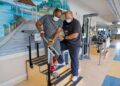
Physical therapy is a fundamental component of recovery programs, focusing on exercises and manual techniques to improve strength, flexibility, and range of motion. Therapists work closely with patients to create customized treatment plans that address specific needs and goals.
Massage Therapy
Massage therapy involves the manipulation of soft tissues to reduce muscle tension, improve circulation, and promote relaxation. This hands-on approach can help alleviate pain and stiffness in injured areas, enhancing overall recovery and well-being.
Electrotherapy
Electrotherapy techniques, such as TENS (transcutaneous electrical nerve stimulation) or ultrasound, use electrical impulses or sound waves to stimulate muscles, reduce pain, and accelerate healing. These modalities can be effective in managing pain and promoting tissue repair.
Acupuncture
Acupuncture is a traditional Chinese medicine practice that involves inserting thin needles into specific points on the body to promote healing and relieve pain. This holistic approach is believed to balance energy flow and enhance the body's natural healing mechanisms.
Cryotherapy
Cryotherapy, or cold therapy, involves the application of cold packs or ice to reduce inflammation, numb pain, and promote healing. This technique is commonly used in recovery programs to manage acute injuries and speed up the healing process.
Comparing Traditional Methods with Modern Advancements
While traditional methods like physical therapy and massage therapy continue to be foundational in recovery programs, modern advancements have introduced innovative techniques such as electrotherapy and cryotherapy. These advancements offer targeted approaches to pain management and tissue healing, complementing traditional methods for comprehensive care.
The Importance of Evidence-Based Practices
In selecting therapies for physical injury recovery programs, it is crucial to prioritize evidence-based practices supported by scientific research and clinical trials. By relying on proven methods, healthcare providers can ensure the effectiveness and safety of treatments, leading to better outcomes for patients.
Challenges Faced During Recovery and Rehabilitation
Recovering from a physical injury can be a challenging journey, both physically and mentally. Individuals undergoing rehabilitation programs may encounter various obstacles that can impede their progress and make the process more difficult. It is essential to address these challenges effectively to ensure a successful recovery.
Psychological Aspects: Motivation and Mental Resilience
One of the common challenges faced during recovery is maintaining motivation and mental resilience throughout the process. Dealing with pain, limitations in physical abilities, and the frustration of slow progress can significantly impact an individual's mindset. It is crucial to stay motivated and mentally strong to overcome these obstacles.
Having a positive attitude, setting realistic goals, and celebrating small achievements can help boost motivation. Engaging in activities that bring joy and practicing mindfulness techniques can also contribute to improving mental resilience.
Importance of Support Systems
Support systems play a vital role in helping individuals overcome challenges during recovery. Family, friends, healthcare professionals, and support groups can provide emotional support, encouragement, and practical assistance. Having a strong support system can help individuals feel less isolated and more motivated to continue their rehabilitation journey.
It is essential for individuals to communicate their needs to their support system and seek help when necessary. Building a network of people who understand and empathize with their struggles can make a significant difference in their recovery process.
Strategies to Address Setbacks and Maintain Progress
Setbacks are a common part of the recovery process, and it is essential to have strategies in place to address them effectively. When faced with setbacks such as plateauing in progress, experiencing setbacks, or dealing with new challenges, individuals should remain resilient and adaptable.
Setting new goals, revising the rehabilitation plan with the guidance of healthcare professionals, and seeking additional support or resources can help individuals overcome setbacks. It is crucial to stay focused on the ultimate goal of recovery and not get discouraged by temporary obstacles.
Monitoring Progress and Adjusting Programs
Monitoring the progress of individuals in recovery programs is crucial to ensure that they are on track towards their rehabilitation goals. Various methods are used to track progress and make necessary adjustments to the programs based on the individual's response to treatment.Regular assessments play a key role in monitoring progress and identifying areas that may need modification in the rehabilitation plan.
These assessments can include physical evaluations, psychological assessments, and feedback from the individual and their healthcare team.
Methods Used for Monitoring Progress
- Physical assessments to measure improvements in strength, flexibility, and range of motion.
- Psychological evaluations to assess changes in mood, motivation, and mental well-being.
- Functional assessments to evaluate the individual's ability to perform daily tasks and activities.
Criteria for Adjusting Rehabilitation Plans
- Stagnant progress or lack of improvement in specific areas despite consistent effort.
- Changes in the individual's condition or new symptoms that require a different approach.
- Feedback from the individual indicating discomfort or difficulty with certain aspects of the program.
Indicators of Improvement or Need for Change
- Increased strength, endurance, or mobility in the affected area.
- Decreased pain levels or improved pain management strategies.
- Enhanced performance in daily activities or sports-specific tasks.
Role of Regular Assessments
Regular assessments are essential for tracking progress, identifying challenges, and ensuring that the rehabilitation program is effective. By conducting consistent evaluations, healthcare providers can make timely adjustments to the treatment plan and optimize the individual's recovery process.
Ending Remarks
Concluding our discussion on Physical Injury Recovery and Rehabilitation Programs, it becomes evident that overcoming challenges and monitoring progress are essential facets of the recovery process. By delving into the importance of support systems and evidence-based practices, individuals can navigate their rehabilitation journey with confidence and resilience.
Common Queries
What are the common types of injuries that require Physical Injury Recovery and Rehabilitation Programs?
Common types of injuries include fractures, ligament tears, muscle strains, and joint dislocations. These injuries often require structured rehabilitation programs to aid in the recovery process.
How are customized plans tailored for individuals undergoing Physical Injury Recovery and Rehabilitation Programs?
Customized plans are tailored based on the type and severity of the injury, as well as the individual's specific needs and goals. This personalized approach ensures that the rehabilitation program addresses the unique challenges faced by each individual.
What role do support systems play in the recovery process?
Support systems are crucial in providing emotional and physical support to individuals undergoing rehabilitation. They help in boosting motivation, fostering resilience, and creating a conducive environment for recovery and progress.