
Diving into the realm of Options Wellbeing and Patient-Centered Care, this introduction sets the stage for an enlightening discussion on the significance of patient-centered care in healthcare. It delves into how Options Wellbeing can enhance the overall patient experience, providing a glimpse into the transformative initiatives within healthcare organizations.
The subsequent paragraph will offer a more detailed overview of the topic, shedding light on various aspects of patient-centered care and its implementation in healthcare settings.
Introduction to Options Wellbeing and Patient-Centered Care
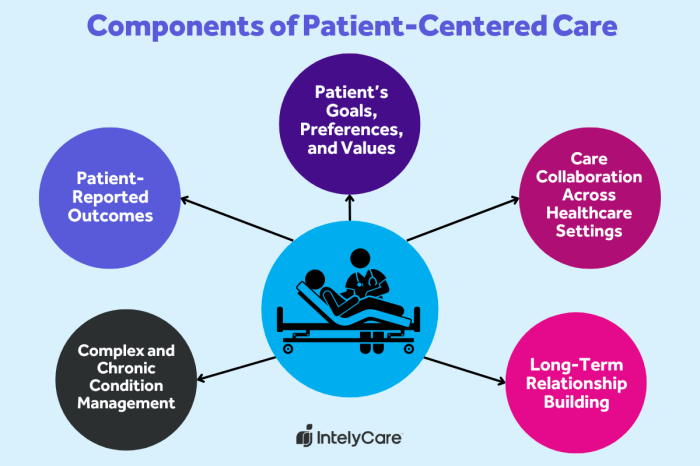
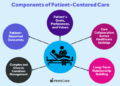
Options Wellbeing and Patient-Centered Care are essential components of healthcare that prioritize the patient's needs, preferences, and involvement in their own care.
Patient-centered care in healthcare is crucial as it ensures that patients are actively involved in decisions regarding their treatment, leading to better health outcomes and overall satisfaction. It focuses on treating patients as individuals with unique needs, values, and preferences.
How Options Wellbeing Enhances Patient Experience
- Options Wellbeing offers personalized care plans tailored to each patient's specific needs and preferences, promoting a sense of empowerment and control over their health.
- It encourages open communication between patients and healthcare providers, fostering trust and collaboration in decision-making processes.
- Options Wellbeing provides holistic care that considers not only the physical aspects but also the emotional, social, and psychological well-being of patients.
Examples of Patient-Centered Care Initiatives in Healthcare Organizations
- Implementing shared decision-making processes where patients are actively involved in choosing treatment options based on their preferences and values.
- Offering patient education and resources to enhance their understanding of their conditions and treatment plans.
- Creating patient advisory councils to gather feedback and insights from patients to improve the quality of care and services provided.
Principles of Patient-Centered Care
Patient-centered care is based on several key principles that focus on the individual needs and preferences of each patient.
Empathy in Patient-Centered Care
Empathy plays a crucial role in patient-centered care as it involves understanding and sharing the feelings of the patient. Healthcare providers need to empathize with their patients to build trust and establish a strong patient-provider relationship.
Communication in Patient-Centered Care
Effective communication is vital in patient-centered care to ensure that patients are actively involved in their healthcare decisions. Clear and open communication helps in understanding the patient's concerns, preferences, and goals.
Strategies for Implementing Patient-Centered Care
- Listen actively to patients and involve them in decision-making processes regarding their care.
- Respect the patient's autonomy and involve them in setting their healthcare goals.
- Provide information in a clear and understandable manner, encouraging questions and feedback from the patient.
- Collaborate with patients to develop personalized care plans that consider their values, preferences, and circumstances.
- Continuously assess and adjust the care plan based on the patient's feedback and changing needs.
Benefits of Options Wellbeing and Patient-Centered Care
Patient-centered care offers numerous benefits that prioritize the well-being and satisfaction of patients. By focusing on the individual needs and preferences of each patient, this approach leads to improved health outcomes and overall quality of care.
Improved Health Outcomes
Patient-centered care has been shown to lead to better health outcomes for individuals
Patient Satisfaction
The satisfaction of patients is closely linked to patient-centered care. When healthcare providers take the time to listen to patients, communicate effectively, and involve them in decision-making, patients feel more valued and respected. This ultimately leads to higher levels of patient satisfaction with their care experience.
Examples of Improved Patient Outcomes
Patient-centered care has resulted in numerous success stories where patients have experienced improved outcomes. For example, a study showed that patients with diabetes who received patient-centered care had better blood sugar control and lower rates of complications compared to those receiving traditional care.
Additionally, patients with mental health conditions have reported feeling more empowered and engaged in their treatment when receiving patient-centered care, leading to better mental health outcomes.
Implementing Options Wellbeing and Patient-Centered Care
Implementing patient-centered care in healthcare organizations requires a strategic approach to ensure that patients are at the center of decision-making processes and care delivery. Here are some key strategies to integrate patient-centered care:
Strategies for Healthcare Organizations to Integrate Patient-Centered Care
Healthcare organizations can implement patient-centered care by:
- Creating a culture that prioritizes patient needs and preferences
- Training staff to communicate effectively and involve patients in decision-making
- Implementing feedback mechanisms to continuously improve care delivery
- Designing care processes that are flexible and responsive to individual patient needs
Role of Technology in Enhancing Patient-Centered Care
Technology plays a crucial role in enhancing patient-centered care by:
- Facilitating communication between patients and healthcare providers through telemedicine and secure messaging platforms
- Empowering patients to access their health information and participate in shared decision-making
- Automating routine tasks to free up time for healthcare professionals to focus on patient care
Success Stories of Healthcare Institutions Implementing Patient-Centered Care
Healthcare institutions such as Mayo Clinic and Cleveland Clinic have successfully implemented patient-centered care by:
- Engaging patients in care planning and treatment decisions
- Providing personalized care plans tailored to individual patient needs
- Emphasizing empathy and compassion in interactions with patients
Tips for Healthcare Professionals to Enhance Patient-Centered Care in Their Practice
Healthcare professionals can enhance patient-centered care by:
- Listening actively to patients' concerns and preferences
- Respecting cultural differences and individual beliefs
- Involving patients in care decisions and goal-setting
- Continuously seeking feedback from patients to improve care delivery
Ending Remarks
Concluding our exploration of Options Wellbeing and Patient-Centered Care, this summary encapsulates the key points discussed and leaves readers with a profound understanding of the importance of prioritizing patient-centric approaches in healthcare.
FAQ Resource
What are the key principles of patient-centered care?
The key principles include empathy, effective communication, respect for patient preferences, and involvement of patients in decision-making.
How does patient-centered care contribute to better health outcomes?
By focusing on the individual needs and preferences of patients, patient-centered care can lead to improved treatment adherence, better health management, and overall enhanced health outcomes.
Why is patient satisfaction closely linked to patient-centered care?
When patients feel heard, respected, and actively involved in their care, it enhances their overall satisfaction with the healthcare experience, leading to better outcomes.