
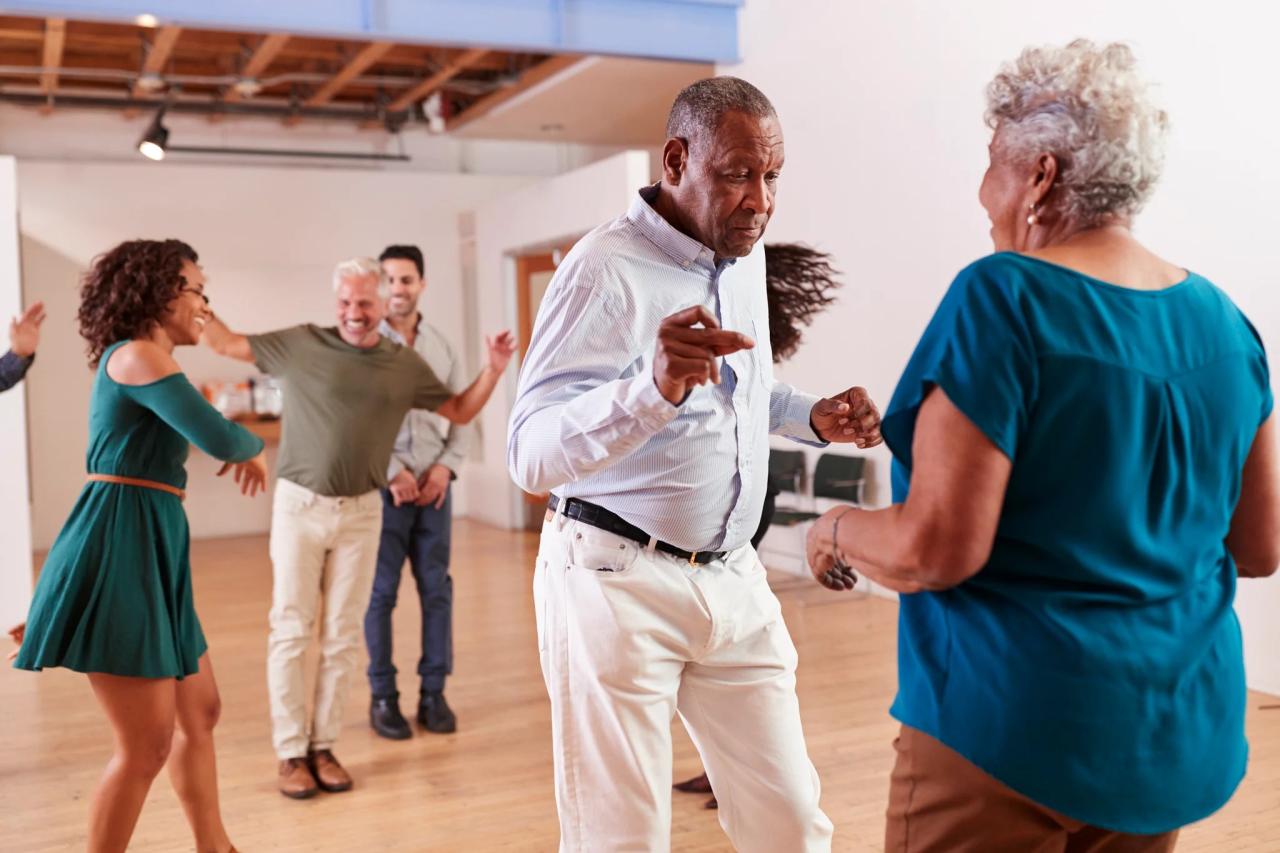
Exploring the positive impact of dancing on mental health in adults and seniors, this topic delves into how dance can enhance cognitive functions, reduce stress, and boost overall well-being.
As we unravel the connection between dancing and mental health, we uncover a world of benefits waiting to be discovered.
Benefits of Dancing for Mental Health
Dancing offers numerous mental health benefits for adults and seniors, contributing to overall cognitive functions and emotional well-being.
Improvement in Cognitive Functions
Dancing is a complex activity that engages various cognitive processes such as coordination, memory, and attention. Learning new dance routines can stimulate the brain and improve cognitive functions. Studies have shown that regular dancing can enhance memory and cognitive flexibility, providing a natural way to keep the mind sharp and agile as we age.
Reduction in Stress and Anxiety Levels
Engaging in dance can act as a form of stress relief, allowing individuals to express themselves creatively and release built-up tension. The physical activity involved in dancing also triggers the release of endorphins, which are known as the body's natural mood elevators.
This can help reduce stress and anxiety levels, promoting a sense of relaxation and well-being.
Boost in Mood and Overall Mental Well-being
Dancing has the power to uplift mood and improve emotional health. The social aspect of dancing, whether in a group class or social event, can enhance feelings of connectedness and belonging. Additionally, the rhythmic movements and music in dance can have a therapeutic effect, promoting a sense of joy and energy.
Regular participation in dance can boost overall mental well-being and contribute to a positive outlook on life.
Social Interaction and Mental Health
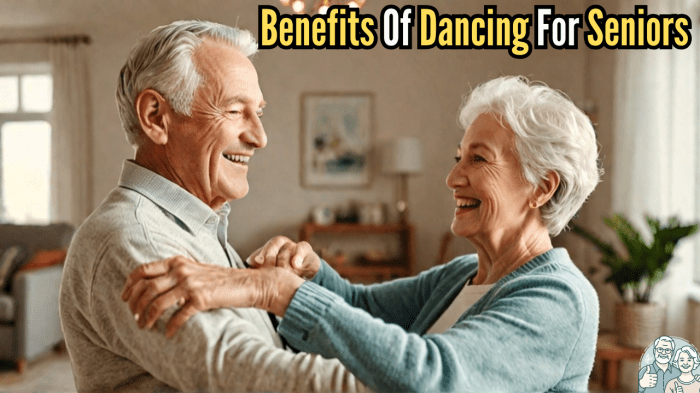
Dancing not only offers physical benefits but also plays a crucial role in enhancing mental health through social interaction. Engaging in group dance activities can have a profound impact on an individual's overall well-being by fostering social connections and combating feelings of loneliness.
Enhancing Social Connections
Participating in group dancing sessions provides opportunities for individuals to interact with others who share a common interest. Whether it's a dance class, social dance event, or community performance, these activities bring people together in a shared experience, creating bonds and friendships that extend beyond the dance floor.
- Group dancing allows individuals to meet new people and expand their social circle, reducing feelings of isolation and loneliness.
- Through partner dancing or group routines, participants learn to communicate, collaborate, and support one another, building trust and camaraderie.
- Sharing the joy of dance with others can lead to lasting friendships and a sense of belonging, promoting positive mental well-being.
Fostering a Sense of Community
Dancing fosters a sense of community by creating a supportive and inclusive environment where individuals feel accepted and valued. Whether it's a dance studio, community center, or social club, these spaces serve as hubs for connection and belonging.
- Group dance activities provide a platform for individuals to come together, express themselves, and celebrate their unique talents and creativity.
- By participating in dance groups or teams, individuals develop a sense of unity and teamwork, boosting their self-esteem and confidence.
- Attending dance events and performances allows individuals to share in the collective energy and spirit of the community, fostering a sense of pride and identity.
Cognitive Benefits of Learning Dance Movements
Learning new dance movements can have significant cognitive benefits for adults and seniors. When individuals engage in dance classes and learn new routines, they are stimulating their brains and improving memory function. The process of memorizing choreography, coordinating movements, and following rhythms activates various regions of the brain, enhancing cognitive abilities.
Stimulating the Brain and Improving Memory
Engaging in dance requires individuals to remember sequences of steps, patterns, and movements. This constant mental stimulation helps improve memory retention and recall. Research has shown that dance can be an effective way to enhance cognitive function and memory skills, leading to overall brain health.
Role of Coordination and Concentration
Dance routines involve a combination of physical coordination and mental concentration. By practicing and mastering intricate movements, individuals are sharpening their cognitive skills. The focus required to execute dance steps correctly enhances concentration levels, leading to improved cognitive abilities such as attention and multitasking.
Maintaining Mental Sharpness and Agility
As people age, cognitive decline can be a concern. Engaging in dance regularly can help individuals maintain mental sharpness and agility. The cognitive demands of learning new dance movements and routines challenge the brain, promoting neuroplasticity and cognitive flexibility. By incorporating dance into their routine, adults and seniors can support their cognitive health and overall well-being.
Emotional Expression and Mental Well-being
Dancing goes beyond just physical movements; it also serves as a powerful form of emotional expression and release for adults and seniors. The connection between dance movements and emotional regulation is significant, as it allows individuals to express and process their emotions in a non-verbal way, leading to improved mental well-being.
Emotional Release Through Movement
Dance provides a unique outlet for individuals to release pent-up emotions through movement. Whether it's through the graceful flow of ballet or the energetic rhythms of salsa, dancing allows individuals to channel their emotions into their movements, releasing stress, anxiety, and tension in the process.
Connection Between Dance and Emotional Regulation
Engaging in dance can help individuals regulate their emotions by promoting mindfulness and body awareness. By focusing on the present moment and connecting with the music and movements, dancers can learn to better understand and control their emotions, leading to improved emotional stability and well-being.
Processing and Coping with Emotions
Dancing can also help individuals process and cope with difficult emotions by providing a safe space for self-expression. Whether it's dancing alone in a room or with a group of like-minded individuals, the act of dancing can help individuals work through their emotions, gain perspective, and find relief from emotional distress.
Final Wrap-Up
In conclusion, the mental benefits of dancing for adults and seniors extend far beyond the physical realm, offering a holistic approach to well-being that is both enriching and fulfilling.
Commonly Asked Questions
How can dancing improve cognitive functions in adults and seniors?
Dancing can enhance cognitive functions by stimulating the brain through learning new movements and improving memory retention.
Why is social interaction important in dancing for mental health benefits?
Social interaction in dancing is crucial as it enhances social connections, combats loneliness, and fosters a sense of community and belonging, positively impacting mental health.
How does dancing serve as a form of emotional expression for adults and seniors?
Dancing allows individuals to express and release emotions, aiding in emotional regulation and helping to process and cope with feelings, contributing to overall mental well-being.