
Delving into the realm of Inpatient Wellness Center Admission Criteria Explained, this introductory segment aims to captivate readers with a wealth of knowledge presented in a compelling manner. Prepare to embark on a journey of understanding and insight.
Providing detailed insights into the various facets of admission criteria for inpatient wellness centers, this guide offers a comprehensive overview that is both informative and engaging.
Understanding Inpatient Wellness Center Admission Criteria
Inpatient wellness centers are facilities that provide intensive care and treatment for individuals with mental health issues, substance abuse disorders, or other behavioral health conditions. These centers offer a structured environment with round-the-clock support from healthcare professionals to help patients recover and improve their overall well-being.Admission criteria in the context of wellness centers refer to the specific requirements that individuals must meet in order to be admitted for treatment at the facility.
These criteria are put in place to ensure that patients receive the appropriate level of care based on their needs and conditions. They serve as guidelines for healthcare providers to determine the suitability of a patient for inpatient treatment.Having specific admission criteria for inpatient wellness centers is crucial for several reasons.
Firstly, it helps healthcare providers assess the severity of a patient's condition and determine the most appropriate treatment plan. By establishing clear criteria, centers can ensure that patients with complex needs receive the specialized care they require.
Importance of Admission Criteria
- Ensures patient safety: Admission criteria help prevent individuals who may not benefit from inpatient treatment from occupying valuable resources and space.
- Optimizes treatment outcomes: By matching patients to the most suitable level of care, admission criteria can improve treatment effectiveness and patient outcomes.
- Promotes efficiency: Having clear admission criteria streamlines the intake process, allowing healthcare providers to prioritize patients based on their needs.
- Guides decision-making: Admission criteria serve as a standardized framework for evaluating patients, helping healthcare providers make informed decisions about treatment plans.
Types of Admission Criteria
When it comes to inpatient wellness centers, various types of admission criteria are used to determine if a patient is suitable for admission. These criteria can range from medical conditions to behavioral or psychological factors that may influence the decision.
Medical Criteria
Medical criteria are essential in determining the physical health status of a patient and whether they require inpatient care. Examples of medical criteria that may be required for admission include:
- Severe or chronic medical conditions that require intensive medical supervision
- Acute illnesses that need immediate treatment and monitoring
- Recent surgeries or medical procedures that require post-operative care
- Complex medication regimens that need to be closely monitored by healthcare professionals
Behavioral or Psychological Criteria
Apart from medical conditions, behavioral or psychological criteria play a significant role in determining admission to inpatient wellness centers. These criteria focus on the mental health and emotional well-being of the patient. Examples of behavioral or psychological criteria that could influence admission decisions include:
- Severe depression or anxiety that requires intensive therapy and monitoring
- Suicidal ideation or self-harm tendencies that need immediate intervention
- Substance abuse or addiction issues that require inpatient rehabilitation programs
- History of violence or aggression that poses a risk to self or others
Medical Evaluation Process
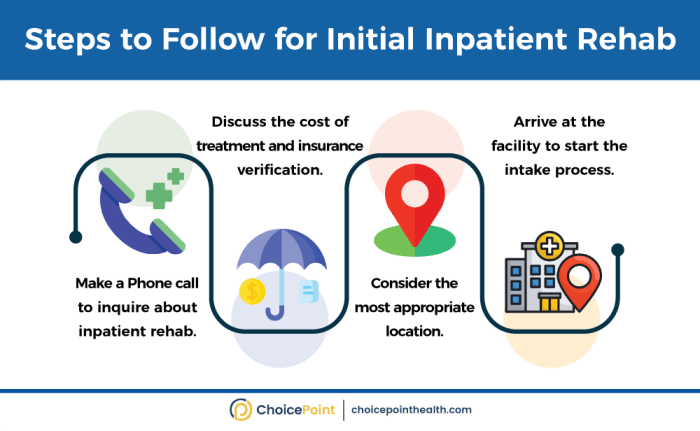
When prospective patients are considering admission to an inpatient wellness center, they must undergo a thorough medical evaluation to determine their eligibility for treatment. This evaluation process is crucial in ensuring that the patient receives the appropriate care and support during their stay at the facility
Role of Medical History
Medical history plays a critical role in the evaluation process as it provides valuable insights into the patient's past health conditions, treatments, and any potential risk factors. By reviewing the patient's medical history, healthcare providers can better understand the individual's overall health status and tailor treatment plans accordingly.
Physical Examinations
Physical examinations are another essential component of the medical evaluation process. During these exams, healthcare providers assess the patient's vital signs, overall physical health, and any specific symptoms or concerns. These examinations help identify any immediate health issues that need to be addressed before admission to the wellness center.
Diagnostic Tests
In addition to medical history and physical examinations, diagnostic tests such as blood work, imaging studies, and other laboratory tests may be conducted to further evaluate the patient's health status. These tests provide objective data that can aid in the diagnosis of underlying medical conditions and inform the treatment approach.
Significance of Medical Evaluations
Medical evaluations are crucial in determining a patient's eligibility for admission to an inpatient wellness center. By thoroughly assessing the patient's medical history, conducting physical examinations, and performing diagnostic tests, healthcare providers can ensure that the patient receives the appropriate level of care and support during their stay.
The information gathered during the evaluation process helps create personalized treatment plans that address the patient's specific needs and goals.
Psychological Assessment and Criteria
During the admission process at an inpatient wellness center, a psychological assessment is a crucial component. This assessment involves evaluating a person's mental health, emotional well-being, and cognitive functioning to determine their overall psychological state.
Importance of Mental Health Evaluations
- Mental health evaluations help identify any underlying psychological issues that may impact a person's overall well-being.
- These assessments provide valuable insights into a person's emotional stability and coping mechanisms.
- They help in creating a personalized treatment plan that addresses both physical and psychological needs.
Integration of Psychological Criteria with Medical Criteria
- Psychological criteria are used alongside medical criteria to ensure a holistic approach to patient care.
- By considering both psychological and medical factors, healthcare providers can make well-informed decisions regarding admission and treatment.
- These criteria work together to tailor treatment plans that address the individual needs of each patient.
Concluding Remarks
In conclusion, the exploration of Inpatient Wellness Center Admission Criteria has shed light on the intricate processes involved in determining eligibility. As we wrap up this discussion, it is evident that specific criteria play a crucial role in ensuring the well-being of patients within these facilities.
Questions Often Asked
What are the common types of admission criteria for inpatient wellness centers?
Common types include medical, behavioral, and psychological criteria that are essential for determining admission eligibility.
How do medical evaluations impact admission decisions at inpatient wellness centers?
Medical evaluations, which involve medical history, physical exams, and diagnostic tests, are crucial in assessing a patient's health status and determining their eligibility for admission.
Why are psychological assessments important in the admission process?
Psychological assessments help in evaluating a patient's mental health status and are used in conjunction with medical criteria to make informed admission decisions.