
Embark on a journey towards improved mental clarity with Inner Wellbeing Practices for Mental Clarity. Dive into a world of understanding the significance of mental clarity in our daily lives, exploring various techniques and practices that can help sharpen our focus and enhance overall well-being.
Delve deeper into the realm of meditation techniques, breathing exercises, and mindfulness practices to discover the transformative power they hold in fostering a clear and focused mind.
Inner Wellbeing Practices for Mental Clarity
Inner wellbeing refers to the state of overall peace, balance, and harmony within oneself. It involves nurturing your mind, body, and spirit to achieve a sense of contentment and tranquility.
Mental clarity is crucial in daily life as it allows you to think clearly, make sound decisions, and manage stress effectively. When your mind is clear and focused, you can enhance productivity, creativity, and overall well-being.
Practices to Promote Mental Clarity
- A regular meditation practice can help calm the mind, reduce mental chatter, and improve focus.
- Engaging in deep breathing exercises can oxygenate the brain, increase mental clarity, and reduce anxiety.
- Practicing mindfulness involves staying present in the moment, which can enhance mental clarity and reduce distractions.
- Physical exercise not only benefits the body but also releases endorphins that boost mood and mental clarity.
- Maintaining a healthy diet rich in nutrients can support brain function and cognitive clarity.
Meditation Techniques
Meditation techniques play a crucial role in promoting mental clarity and overall well-being. By incorporating various methods into your routine, you can enhance focus, reduce stress, and cultivate a sense of inner peace.
Mindfulness Meditation
Mindfulness meditation involves focusing on the present moment without judgment. By paying attention to your thoughts, feelings, and sensations, you can increase awareness and develop a greater sense of clarity. This practice can help in managing stress, anxiety, and improving concentration.
Loving-Kindness Meditation
Loving-kindness meditation, also known as Metta meditation, involves cultivating feelings of love and compassion towards oneself and others. By extending kindness and goodwill, this practice can enhance emotional well-being, reduce negative emotions, and foster a sense of interconnectedness with others.
Personal Experiences with Meditation
- Through consistent mindfulness meditation, I have noticed a significant improvement in my ability to stay present and focused throughout the day. This has helped me manage stress more effectively and approach challenges with a clearer mind.
- Practicing loving-kindness meditation has allowed me to cultivate a deeper sense of empathy and compassion towards myself and others. This has positively impacted my relationships and overall mental well-being.
- Combining different meditation techniques has provided me with a holistic approach to mental clarity, helping me find balance and inner peace amidst the chaos of daily life.
Breathing Exercises
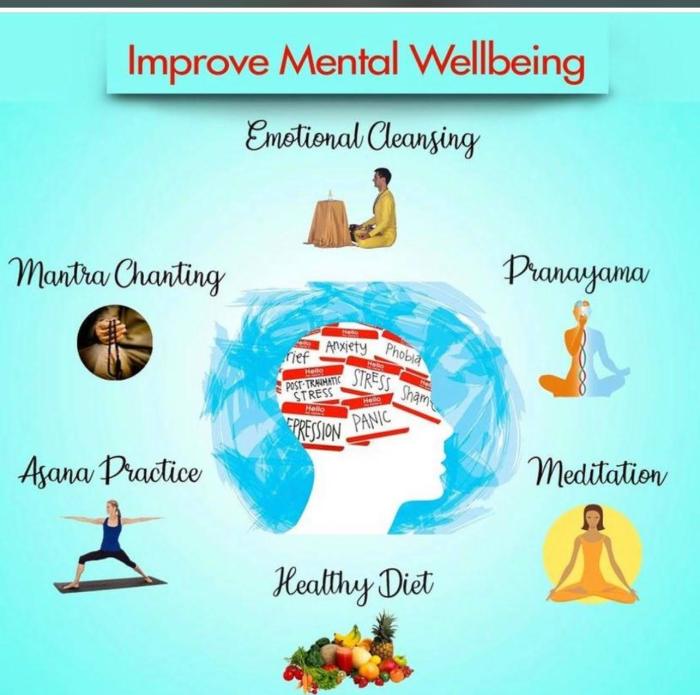
Breathing exercises play a crucial role in achieving mental clarity by calming the mind, reducing stress, and improving focus. Incorporating deep breathing techniques into your daily routine can help you manage overwhelming emotions and promote a sense of inner peace
Simple Breathing Exercise: Deep Belly Breathing
- Find a quiet and comfortable place to sit or lie down.
- Place one hand on your chest and the other on your abdomen.
- Inhale deeply through your nose, allowing your abdomen to rise as you fill your lungs with air.
- Exhale slowly through your mouth, feeling your abdomen fall as you release the air.
- Repeat this process for several minutes, focusing on the rhythm of your breath.
Variations of Breathing Techniques
Depending on the situation, you can explore different breathing techniques to address specific needs:
- 4-7-8 Breathing:Inhale for a count of 4, hold for a count of 7, and exhale for a count of 8 to promote relaxation and reduce anxiety.
- Nadi Shodhana (Alternate Nostril Breathing):This practice involves breathing through one nostril at a time to balance energy and calm the mind.
- Breath Counting:Focus on counting each inhale and exhale cycle up to a specific number, such as 10, to enhance concentration and mindfulness.
Mindfulness Practices
Practicing mindfulness is a powerful tool that can greatly improve mental clarity by helping individuals stay present in the moment, reduce stress, and enhance focus and concentration.
Tips for Incorporating Mindfulness into Daily Routines
- Start your day with a short mindfulness meditation to set a positive tone for the day.
- Practice mindful breathing exercises throughout the day to center yourself and alleviate stress.
- Engage in mindful walking by paying attention to each step and the sensations in your body.
- Take breaks to practice mindfulness when feeling overwhelmed or distracted.
Benefits of Mindfulness for Overall Wellbeing
- Mindfulness can improve emotional regulation and reduce symptoms of anxiety and depression.
- It can enhance self-awareness and promote a greater sense of inner peace and contentment.
- Regular mindfulness practice has been linked to improved cognitive function and better decision-making skills.
- Mindfulness can also strengthen relationships by fostering better communication and empathy.
Ultimate Conclusion
In conclusion, Inner Wellbeing Practices for Mental Clarity offer a pathway to a more focused and balanced mind. By incorporating these practices into your daily routine, you can experience enhanced mental clarity, emotional balance, and overall well-being. Embrace these practices and unlock the potential for a clearer, more focused mind.
Common Queries
How important is mental clarity for overall well-being?
Mental clarity plays a crucial role in maintaining emotional balance, making sound decisions, and enhancing overall productivity and quality of life.
What are some simple mindfulness practices that can be incorporated into daily routines?
Simple practices like mindful breathing, body scans, and mindful walking can be easily integrated into daily routines to promote mental clarity.
How can breathing exercises aid in achieving mental clarity?
Deep breathing exercises help calm the mind, reduce stress levels, and increase focus, contributing to enhanced mental clarity.