
Delving into the realm of Disease Awareness and Early Detection Strategies, this introductory passage aims to captivate readers with a wealth of knowledge on the subject, promising a comprehensive and engaging exploration.
In the subsequent paragraph, readers will find detailed and informative content about the significance of disease awareness and early detection strategies.
Importance of Disease Awareness
Disease awareness plays a crucial role in public health as it helps individuals recognize symptoms early, seek timely medical intervention, and prevent the spread of infectious diseases. By raising awareness about various diseases, communities can work together to promote prevention strategies and improve overall health outcomes.
Early Detection Saves Lives
- Early detection of diseases such as cancer, diabetes, and heart disease can significantly improve treatment outcomes and increase survival rates.
- Regular screenings and check-ups can help detect diseases in their early stages when they are more treatable and manageable.
- Individuals who are aware of the symptoms of common diseases are more likely to seek medical help promptly, leading to better health outcomes.
Impact on Communities
- Disease awareness campaigns can educate communities about prevention methods, leading to a decrease in the overall disease burden.
- By promoting healthy lifestyle choices and regular screenings, communities can reduce the incidence of chronic diseases and improve quality of life.
- Increased disease awareness fosters a sense of shared responsibility among community members, encouraging them to support each other in maintaining good health practices.
Strategies for Disease Awareness
When it comes to raising awareness about diseases, there are various methods that can be utilized to reach a wider audience and educate the public. These strategies play a crucial role in early detection and prevention efforts.
Utilizing Social Media Campaigns
Social media has become a powerful tool for spreading awareness about diseases due to its wide reach and ability to target specific demographics. Organizations can create engaging content, share informative posts, and interact with their audience in real-time to educate and raise awareness effectively.
- Utilize popular social media platforms such as Facebook, Instagram, and Twitter to reach a larger audience.
- Create visually appealing infographics, videos, and posts to convey information in an engaging way.
- Collaborate with influencers or celebrities to amplify the message and reach a wider demographic.
Traditional Awareness Methods
While social media campaigns are effective, traditional methods of raising awareness should not be overlooked. These methods have been tried and tested over time and continue to have a significant impact on spreading information about diseases.
- Organize community events, health fairs, and workshops to educate the public about the disease and prevention methods.
- Distribute pamphlets, flyers, and posters in public spaces to reach individuals who may not be active on social media.
- Collaborate with healthcare professionals, local clinics, and hospitals to reach a broader audience through word of mouth and referrals.
Successful Disease Awareness Initiatives
Several disease awareness initiatives have successfully utilized a combination of social media campaigns and traditional methods to reach their target audience and raise awareness effectively.
One example is the ALS Ice Bucket Challenge, which went viral on social media and raised millions of dollars for amyotrophic lateral sclerosis (ALS) research and awareness.
Another successful initiative is the Pink Ribbon campaign for breast cancer awareness, which has become a global symbol of solidarity and support for those affected by the disease.
Early Detection Techniques

Early detection plays a crucial role in effectively managing diseases as it allows for prompt intervention and treatment, potentially improving patient outcomes and reducing the overall burden of the disease. By detecting diseases at an early stage, healthcare providers can implement appropriate measures to prevent the progression of the illness and minimize its impact on the individual's health.
Various Screening Methods for Detecting Diseases Early
Screening methods are essential tools in identifying diseases at an early stage before symptoms manifest, enabling timely intervention. Some common screening techniques include:
- 1. Blood Tests:Blood tests can detect various markers indicative of certain diseases, providing valuable insights into an individual's health status.
- 2. Imaging Studies:Techniques such as X-rays, MRI, and CT scans can help visualize internal structures and detect abnormalities early on.
- 3. Genetic Testing:Genetic screening can identify genetic mutations associated with inherited diseases, allowing for early intervention or preventive measures.
- 4. Biopsy:Tissue samples obtained through biopsies can help diagnose cancer and other conditions at an early stage.
Role of Technology in Advancing Early Detection Strategies
Advancements in technology have revolutionized early detection strategies, making them more accurate, efficient, and accessible. Some ways in which technology has contributed to early disease detection include:
- 1. Telemedicine:Remote consultations and monitoring enable healthcare providers to reach a wider population and detect diseases early, especially in underserved areas.
- 2. Artificial Intelligence (AI):AI algorithms can analyze vast amounts of medical data to identify patterns and predict disease risk, aiding in early detection.
- 3. Mobile Health Apps:Apps that track vital signs, symptoms, and provide health information empower individuals to monitor their health and seek early medical attention when needed.
- 4. Smart Wearable Devices:Wearable devices like smartwatches can monitor heart rate, activity levels, and other health metrics, alerting users to potential health issues early on.
Promoting Early Detection
Regular check-ups and screenings play a crucial role in detecting diseases early, which can significantly improve treatment outcomes. Being proactive about our health is key to early detection. Here are some tips on how individuals can promote early detection and take charge of their well-being:
Importance of Regular Check-ups
Regular health check-ups are essential for early disease detection. By scheduling routine appointments with healthcare providers, individuals can monitor their health status and address any potential issues before they escalate. These check-ups can include basic screenings, physical exams, and discussions about family medical history to identify potential risk factors.
Tips for Being Proactive
- Stay informed about common signs and symptoms of various diseases.
- Maintain a healthy lifestyle through balanced diet and regular exercise.
- Follow recommended screening guidelines based on age, gender, and family history.
- Keep track of any changes in your body and report them to a healthcare provider promptly.
Community Programs for Early Detection
Community programs play a vital role in promoting early detection by providing access to screenings, education, and resources. Examples of such programs include:
- Free health fairs offering screenings for blood pressure, cholesterol, and diabetes.
- Mobile clinics that visit underserved areas to provide preventive care services.
- Awareness campaigns focused on specific diseases like breast cancer or heart disease to encourage early detection through regular screenings.
By actively participating in such community initiatives and staying vigilant about our health, we can contribute to the early detection of diseases and ultimately improve our overall well-being.
Closing Notes
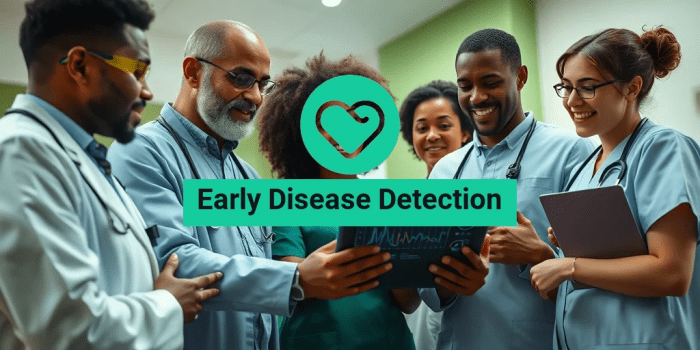
Concluding this discussion on Disease Awareness and Early Detection Strategies, readers are left with a compelling summary that encapsulates the key points and highlights the importance of proactive healthcare practices.
FAQ Compilation
What role does disease awareness play in public health?
Disease awareness is crucial for public health as it helps in early detection, prevention, and treatment of various illnesses.
How can individuals promote early detection of diseases?
Individuals can promote early detection by scheduling regular check-ups, staying informed about common symptoms, and being proactive about their health.
What are some effective methods for raising awareness about diseases?
Effective methods include educational campaigns, community outreach programs, and utilizing social media platforms to reach a wider audience.