
Starting off with Best Antidepressant Discussions in Clinical Settings, this introductory paragraph aims to provide a captivating overview of the topic, drawing readers in with its informative and engaging content.
Further elaborating on the different classes of antidepressants, mechanisms of action, and commonly prescribed examples in clinical settings.
Introduction to Antidepressants
Antidepressants are commonly used in clinical settings to treat various mental health conditions such as depression, anxiety, and OCD. There are different classes of antidepressants, each with unique mechanisms of action and commonly prescribed examples.
Selective Serotonin Reuptake Inhibitors (SSRIs)
SSRIs are one of the most commonly prescribed classes of antidepressants. They work by increasing the levels of serotonin in the brain, which helps regulate mood. Examples of SSRIs include:
- Fluoxetine (Prozac)
- Sertraline (Zoloft)
- Paroxetine (Paxil)
Serotonin and Norepinephrine Reuptake Inhibitors (SNRIs)
SNRIs are another class of antidepressants that work by increasing the levels of serotonin and norepinephrine in the brain. This dual action helps in managing symptoms of depression. Examples of SNRIs include:
- Venlafaxine (Effexor)
- Duloxetine (Cymbalta)
- Desvenlafaxine (Pristiq)
Tricyclic Antidepressants (TCAs)
TCAs were one of the first classes of antidepressants developed. They work by blocking the reuptake of serotonin and norepinephrine. Although less commonly prescribed due to side effects, examples of TCAs include:
- Amitriptyline (Elavil)
- Imipramine (Tofranil)
- Nortriptyline (Pamelor)
Monoamine Oxidase Inhibitors (MAOIs)
MAOIs are another class of antidepressants that work by inhibiting the enzyme monoamine oxidase, which breaks down neurotransmitters like serotonin, norepinephrine, and dopamine. Due to dietary restrictions and interactions with other medications, MAOIs are usually prescribed as a last resort.
Examples of MAOIs include:
- Phenelzine (Nardil)
- Tranylcypromine (Parnate)
Efficacy and Side Effects
Antidepressants are commonly prescribed medications for the treatment of various types of depression. They work by altering the levels of neurotransmitters in the brain to help regulate mood and emotions. It is important to understand the efficacy and potential side effects associated with different classes of antidepressants to make informed treatment decisions.
Efficacy of Antidepressants
Antidepressants have been shown to be effective in treating different types of depression, including major depressive disorder, persistent depressive disorder, and anxiety disorders. However, the response to antidepressant treatment can vary from person to person. It may take several weeks for the full effects of the medication to be felt, and dosage adjustments or switching to a different antidepressant may be necessary for optimal results.
Common Side Effects
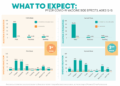
Different classes of antidepressants can have varying side effect profiles. Some common side effects associated with antidepressants include:
- SSRIs (Selective Serotonin Reuptake Inhibitors):Nausea, headache, insomnia, sexual dysfunction.
- SNRIs (Serotonin-Norepinephrine Reuptake Inhibitors):Nausea, dry mouth, constipation, increased heart rate.
- TCAs (Tricyclic Antidepressants):Dry mouth, blurred vision, constipation, weight gain.
- Atypical Antidepressants:Drowsiness, dizziness, weight changes, digestive issues.
Comparison of Effectiveness and Side Effects
When comparing the effectiveness and side effect profiles of different classes of antidepressants, it is essential to consider individual factors such as the type and severity of depression, potential drug interactions, and the presence of comorbid conditions. While SSRIs are often considered the first-line treatment due to their favorable side effect profile, SNRIs may be preferred for individuals with both depression and chronic pain.
TCAs are generally reserved for cases where other antidepressants have not been effective, and atypical antidepressants may be used when other medications have not been well-tolerated.
Individualized Treatment Approaches
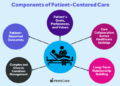
Individualized treatment approaches in prescribing antidepressants are crucial to ensuring the best possible outcomes for patients. Each individual may respond differently to antidepressant medications based on various factors such as their unique biochemistry, medical history, and personal preferences.Factors that influence the choice of antidepressant for a specific patient include the type of depression or mental health condition being treated, the presence of any comorbidities or other medical conditions, the patient's age, gender, and weight, as well as their past experiences with antidepressants.
For example, certain antidepressants may be more effective for treating specific types of depression, such as selective serotonin reuptake inhibitors (SSRIs) for anxiety-based depression or tricyclic antidepressants for depression with insomnia.Comorbidities can significantly impact antidepressant selection and dosing. Patients with comorbid conditions such as chronic pain, diabetes, or cardiovascular disease may require antidepressants that do not exacerbate their existing health issues or interact negatively with their current medications.
Additionally, comorbidities can influence the dosage of antidepressants needed to achieve therapeutic effects while minimizing side effects.
Impact of Comorbidities on Antidepressant Selection and Dosing
When a patient presents with comorbidities such as chronic pain or insomnia, the choice of antidepressant may need to be carefully considered to avoid worsening these conditions. For example, patients with chronic pain may benefit from antidepressants that also have analgesic properties, such as duloxetine, which can help manage both depression and pain symptoms simultaneously.In cases where a patient has comorbid cardiovascular disease, certain antidepressants like tricyclic antidepressants may be contraindicated due to their potential to cause cardiac side effects.
In such situations, selecting a safer antidepressant option like an SSRI or serotonin-norepinephrine reuptake inhibitor (SNRI) may be more appropriate to minimize the risk of adverse events.Overall, individualized treatment approaches take into account the unique needs and characteristics of each patient to optimize the effectiveness and safety of antidepressant therapy
Monitoring and Adjusting Treatment
Antidepressant treatment requires careful monitoring and adjustment to ensure optimal outcomes for patients. Monitoring patients on antidepressants involves assessing both efficacy and side effects regularly to determine the effectiveness of the treatment.
Monitoring for Efficacy and Side Effects
- Regular follow-up appointments should be scheduled to assess the patient's response to the antidepressant.
- Monitoring tools such as standardized rating scales can be used to track changes in symptoms over time.
- Patients should be encouraged to report any new or worsening symptoms, as well as any side effects they may be experiencing.
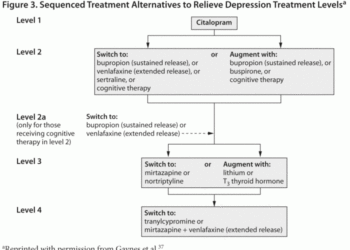
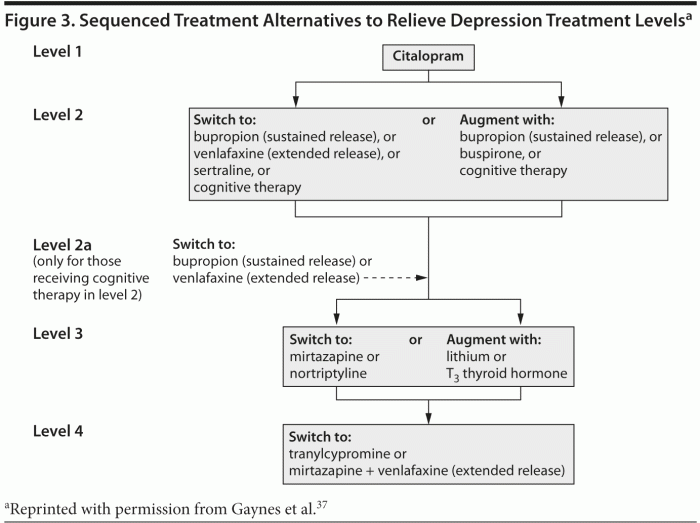
Adjusting Dosage or Switching Antidepressants
- If a patient is not responding to the initial antidepressant, the dosage may need to be adjusted under close supervision.
- If side effects are intolerable or outweigh the benefits, switching to a different antidepressant with a similar mechanism of action may be considered.
- Consultation with a psychiatrist or mental health professional is recommended before making any changes to the treatment plan.
Managing Treatment-Resistant Depression
- For patients with treatment-resistant depression, a comprehensive evaluation should be conducted to identify possible contributing factors.
- Combination therapy with multiple antidepressants or adjunctive treatments such as psychotherapy or electroconvulsive therapy may be considered.
- Close collaboration between the patient, healthcare provider, and mental health team is essential in managing treatment-resistant depression effectively.
Special Populations and Considerations
When prescribing antidepressants, it is crucial to consider special populations and their unique needs. This includes pregnant women, the elderly, pediatric patients, and individuals with substance use disorders. Each group may require specific considerations to ensure safe and effective treatment.
Pregnant Women
- Antidepressant use during pregnancy is a complex decision that should involve a detailed discussion between the patient and healthcare provider.
- Some antidepressants may pose risks to the developing fetus, while untreated maternal depression can also have negative effects on both the mother and the baby.
- Close monitoring and individualized treatment plans are essential to balance the potential benefits of antidepressant use with the possible risks during pregnancy.
Elderly Patients
- The elderly population may be more sensitive to the side effects of antidepressants, such as dizziness, confusion, and falls.
- Considerations should be made regarding drug interactions, polypharmacy, and the presence of comorbid conditions in older adults.
- Starting with lower doses and gradually titrating the medication can help minimize adverse effects in elderly patients.
Pediatric Patients
- Prescribing antidepressants to pediatric patients requires caution due to the increased risk of suicidal ideation in this population.
- The potential benefits of treatment should be carefully weighed against the risks, and close monitoring of symptoms is essential during the initial stages of treatment.
- Selective serotonin reuptake inhibitors (SSRIs) are often preferred over other classes of antidepressants in children and adolescents.
Patients with Substance Use Disorders
- Prescribing antidepressants to individuals with substance use disorders can be challenging due to the risk of misuse, interactions with other substances, and potential exacerbation of substance-related symptoms.
- Integrated treatment approaches that address both the mental health condition and substance use disorder are recommended for optimal outcomes.
- Close monitoring for signs of substance misuse or relapse is crucial when prescribing antidepressants in this population.
End of Discussion
Concluding with a summary that encapsulates the key points discussed, leaving readers with a lasting impression of the importance of these discussions in clinical settings.
Quick FAQs
What are some common side effects of antidepressants?
Common side effects include nausea, dizziness, weight gain, and sexual dysfunction. It's important to discuss these with your healthcare provider.
How do comorbidities influence antidepressant selection?
Comorbidities such as anxiety or chronic pain can impact the choice of antidepressant due to potential interactions or exacerbation of symptoms.
When should antidepressant dosage be adjusted?
Dosage adjustments may be necessary if a patient shows inadequate response or experiences intolerable side effects. This should always be done under medical supervision.